What i wish someone had told me after my amputation
Life after amputation is often described in terms of recovery milestones, therapy appointments, and prosthetic fittings.
What people talk about less are the emotional milestones.
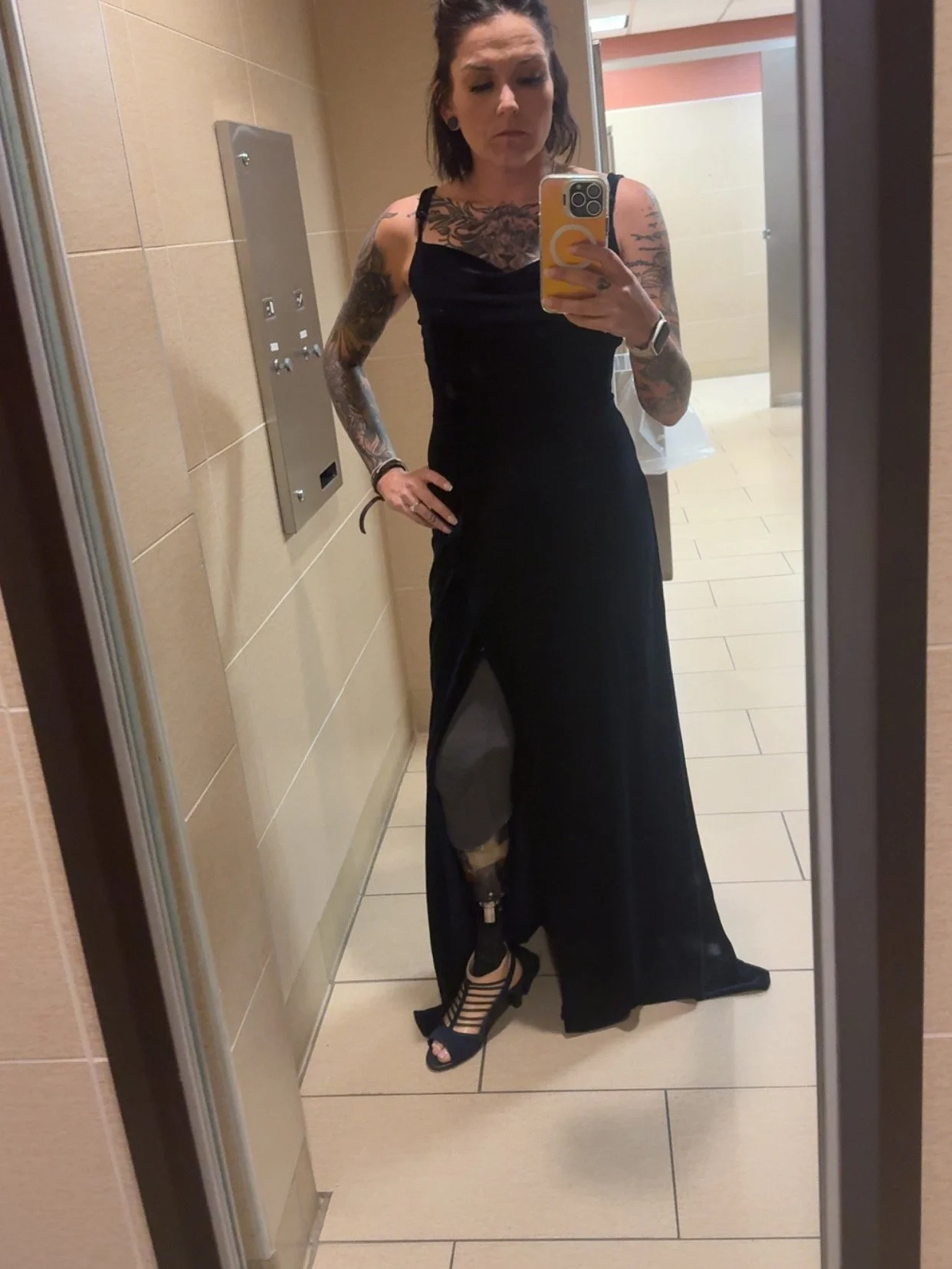
The first time you look at your residual limb.
The first time you leave the house feeling self-conscious.
The first time you realize you’re grieving not only what happened, but the life you expected to have.
If you’ve recently experienced limb loss, know this: everything you’re feeling is normal.
You don’t have to be positive every day.
You don’t have to be grateful for the experience.
You don’t have to “be strong” all the time.
Recovery isn’t a straight line. Some days you’ll feel unstoppable. Other days, putting on your prosthesis may feel overwhelming. Both experiences can be true.
One of the most important lessons many amputees learn is that asking for help is not weakness. Connecting with people who have lived through similar experiences can provide reassurance that no medical textbook or rehabilitation program can offer.
Peer support matters because lived experience matters.
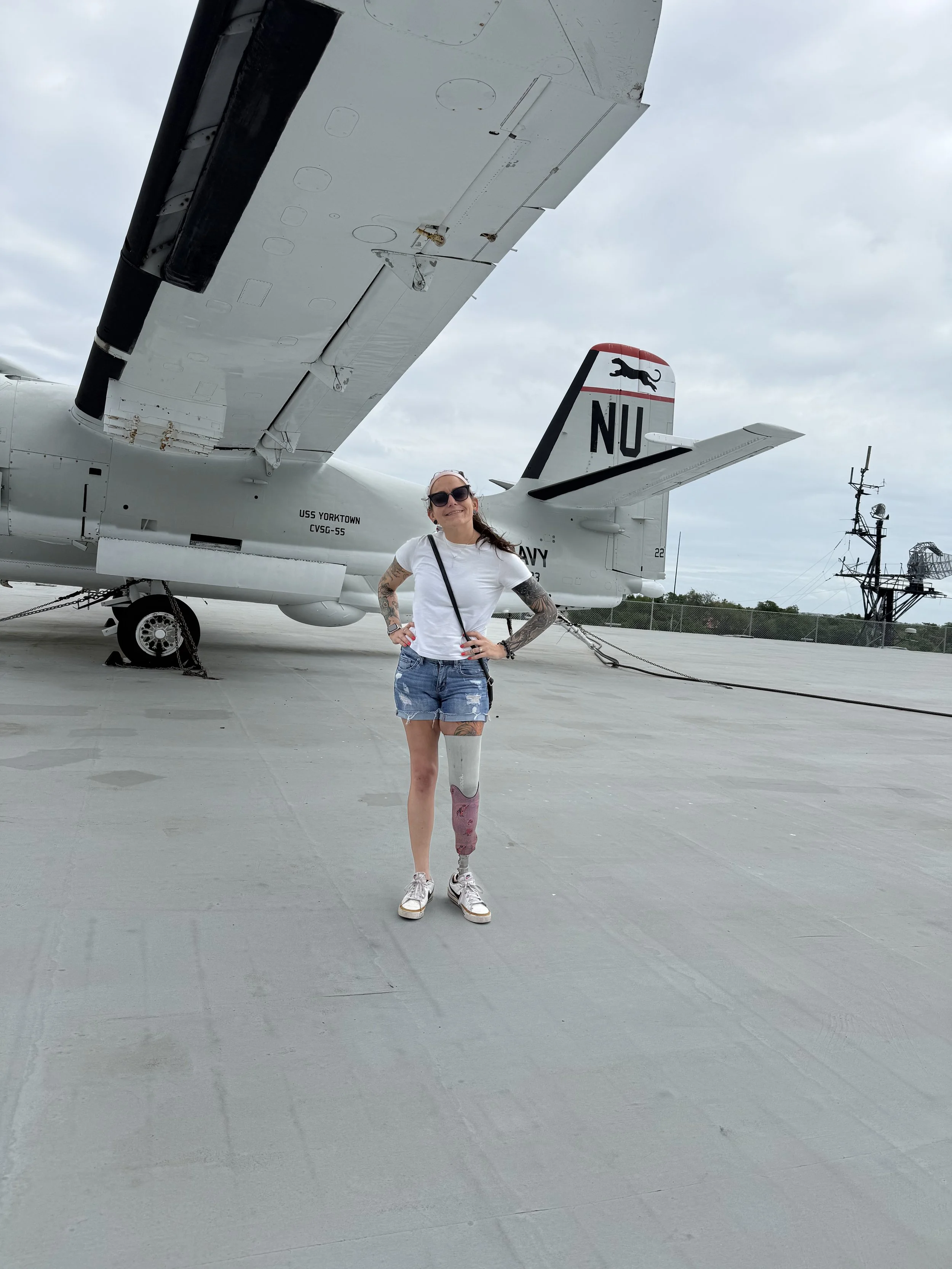
The person who understands your frustration with a socket fit issue.
The person who knows what it feels like to stare at a staircase and wonder if you’ll ever feel confident again.
The person who can honestly say, “I’ve been there.”
At Together in Motion, we believe healing happens in community. Through support groups, conversations, shared experiences, and simple acts of encouragement, we help ensure that nobody has to face limb loss alone.
Your journey may look different than someone else’s.
Your timeline may be different.
Your challenges may be different.
But your future is still yours to build.
And there is hope ahead.